

Potency isn’t a mysterious superpower you unlock at level 50 — it’s a system. When sleep, stress, exercise, food, and communication work together, desire and performance follow like a well-trained golden retriever. Recent studies (think 2023–2025, not dusty textbooks) repeatedly show that moving more, eating better, sleeping well, managing stress, and improving relationship communication boost sexual health and sexual function for all genders. Yes, medical issues can play a role; no, you don’t need a PhD to start fixing the basics this week.
Takeaway: Your sex life is a team sport. Coach the whole team, not just one player.
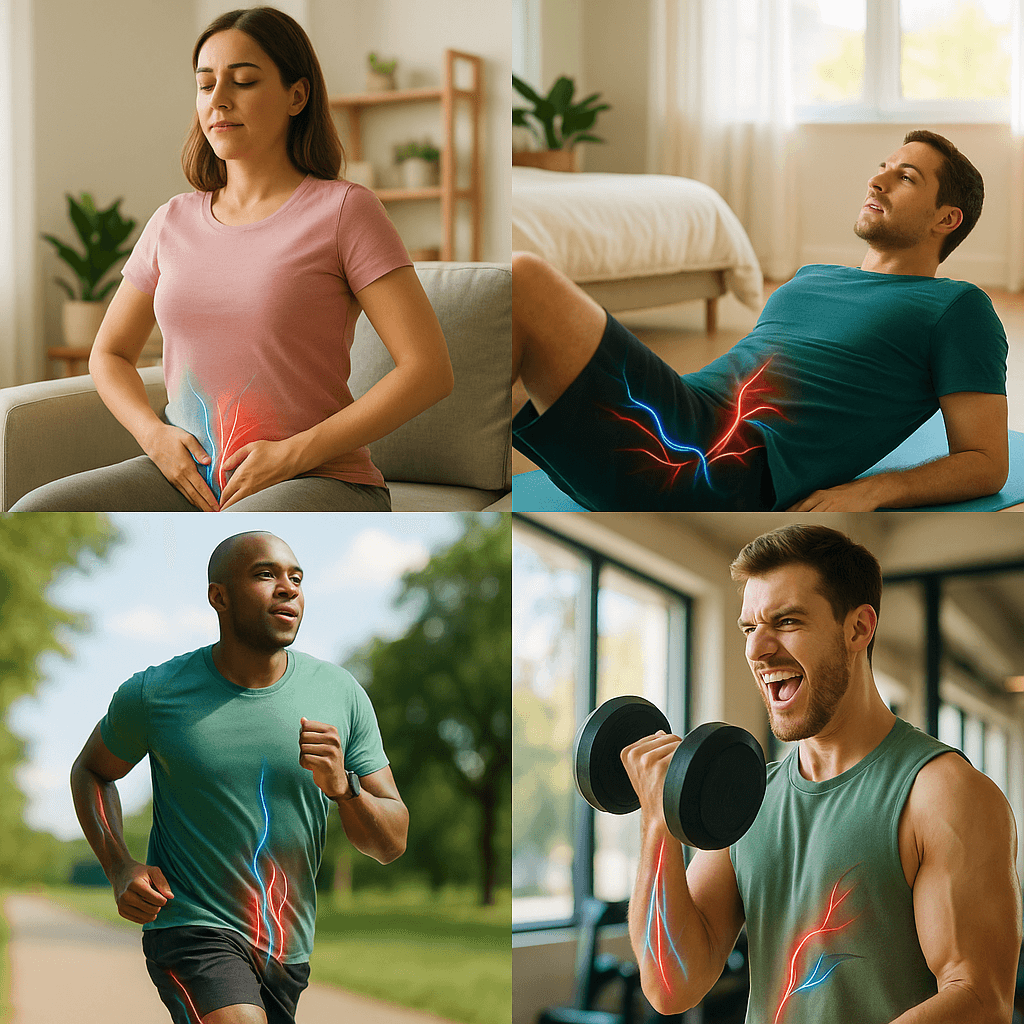
Hot take in 3…2…1: blood flow is the Wi‑Fi of arousal. You want 5G, not buffering.
Do at least 150 minutes/week of moderate cardio (brisk walking, cycling, swimming) OR 75 minutes of vigorous to support cardiovascular health.
Add 2 strength sessions weekly (squats, hip hinge like deadlifts, push, pull, core). Strong muscles = stronger confidence and better hormones.
Pelvic floor exercises:
Women: Kegels — 3 sets of 10 slow squeezes (hold 5–10 seconds) + 10 quick squeezes, once or twice daily, to support female arousal and continence.
Men: same pattern; helps erectile function, rigidity, and ejaculatory control.
Pro tips: Find the right muscles by imagining stopping urine midstream (don’t actually train on the toilet), breathe normally, and avoid clenching glutes/abs/jaw like you’re hiding a secret.
Real-life evidence: RCTs show exercise programs improve erectile function and, when paired with psychoeducation, boost sexual function scores. Mind and body: better together.
Takeaway: Cardio moves the blood, strength builds the engine, and the pelvic floor is the clutch. Use all three.
If your plate looks like a rainbow, your hormones send thank-you notes.
Mediterranean diet pattern: vegetables, fruits, whole grains, legumes, lean proteins, olive oil, nuts — a proven ally for sexual health and circulation.
Circulation heroes: fatty fish (omega‑3s), leafy greens (dietary nitrates), berries (antioxidants) — natural libido boosters.
Check vitamin D and zinc if you’ve been low before or have symptoms; supplement only with clinician guidance.
Ease up on excess alcohol and highly processed foods — great for party stories, not great for potency.
Simple swap: One heavy dinner → big salad + grilled salmon + olive oil. Your arteries will write poetry.
Takeaway: Eat like your heart and hormones are invited to the same dinner party.
Libido hates sleep debt and cortisol chaos. Shocking, I know.
Aim for 7–9 hours of quality sleep; keep the same sleep/wake times (even on weekends — sorry, Sunday brunch).
Wind-down: screens off 60 minutes before bed, cool dark room, low light, boring book energy.
Daily de-stress (10 minutes): breathwork, guided mindfulness, a short outside walk. Mindfulness for libido and mindfulness-based programs show measurable benefits for sexual wellness across genders.
Caffeine curfew: avoid it within 8 hours of bedtime; alcohol may help you doze but ruins sleep stages.
Takeaway: Sleep turns desire back on. Stress turns it off. Be Team Sleep.
Because “mind-blowing” isn’t just anatomy — it’s teamwork.
Start small, talk real: “I love when you…” beats “You never…” Use I‑statements, curiosity, and zero judgment.
Schedule intimacy: cuddling, massages, baths, dancing, shared hobbies. Desire likes warm-ups, not jump-scares.
Sprinkle novelty: new location, time of day, or shared adventure. Brains love “new” — it’s dopamine with manners.
Performance anxiety or body image worry? Brief CBT, sex therapy, or mindfulness can reduce anxiety and improve satisfaction.
Takeaway: Connection is the lube for communication. Talk first, magic later.

If the plumbing’s fine but the water pressure is low, check the mains.
Optimize vascular and cardiovascular health: manage diabetes, blood pressure, and cholesterol — better arteries, better arousal.
Review meds with your clinician if sexual side effects pop up (common culprits: some SSRIs, certain blood pressure meds). Do not stop meds solo.
Hormones:
Men: evaluate for low testosterone if symptoms match (low desire, low morning erections, low energy).
Women: consider perimenopause/menopause changes; local vaginal estrogen or other therapies can help when appropriate.
Contraceptives can affect desire in some; a clinician can help adjust.
Takeaway: Tune up the whole machine. When health improves, potency often follows.
We love hope. We’re just not married to hype.
Supplements: many are under‑researched or contaminated. Talk to a clinician before spending rent money on “natural lightning in a bottle.”
Medications:
Men: PDE5 inhibitors (like sildenafil/tadalafil) are effective for many; avoid with nitrates and get proper screening.
Women: options may include targeted hormonal therapy for genitourinary symptoms, or FDA‑approved treatments for low desire in select cases (with careful screening). Psychosexual care and sex therapy remain backbones.
Emerging/regenerative therapies: interesting, but many are still experimental. Proceed with skepticism and a qualified specialist.
Takeaway: Evidence is sexy. Snake oil is… oily.
Week 1
- Walk briskly 20–30 minutes, 4×/week.
- Two light strength sessions (full body).
- Nightly wind-down routine for sleep.
- Pelvic floor: 5 minutes daily (slow + quick squeezes).
Mini-win: You’re building momentum, not breaking records.
Week 2
- Make one walk 40 minutes.
- Kegels: 2 sets/day.
- Eat fish twice this week.
- Add 5 minutes of mindfulness before bed.
Mini-win: Cardio up, calm up, confidence up.
Week 3
- Swap one walk for intervals: 3 min brisk + 1 min fast × 5.
- Slightly increase resistance for strength.
- Have a low-stress chat with your partner about intimacy goals and relationship communication.
Mini-win: Progress you can feel — and talk about.
Week 4
- Maintain activity levels; track sleep quality.
- If improvements are limited (ongoing erection issues, pain, very low desire), schedule a medical evaluation.
Mini-win: Data beats guessing. Adjust with help.
Sudden or persistent erectile difficulties.
Pain during sex (any gender).
Desire loss lasting months or causing distress.
Depression, anxiety, or trauma symptoms affecting intimacy.
New sexual symptoms plus chest pain, shortness of breath, or exercise intolerance — seek urgent care.
A clinician can check hormones, cardiovascular risk, meds, pelvic floor function, and refer to sex therapy, pelvic health PT, or other targeted care.
Walk briskly 20–30 minutes.
Do 2 short strength sessions this week.
Sleep 7–9 hours; screens off 60 minutes before bed.
Add daily pelvic floor exercises.
Eat one Mediterranean-style meal today.
Talk openly with your partner; schedule one non-sexual intimacy activity.
Takeaway: Small, boringly consistent habits create big, interesting results. Your future self says “nice work.”
2 Steps Proven Method To Get You Lean
More about Wellbeing, Longevity, Self Care, Health,
Top Posts
a year ago
5 Proven Steps To Build Muscle
a year ago
5 Hidden Health Miracles of Swimming You Didn’t Know About
a year ago
"Secret" Weapon
2 months ago
2 Steps Proven Method To Get You Lean
a year ago
Unlocking the Secrets of Vitamin C: More Than Just an Immune Booster!
2 months ago
Natural Testosteron Booster


